
A collision or unexpected breakdown can be stressful. In the moment, it may be hard to tell who is genuinely trying to help and who may be taking advantage of the situation. Some types of fraud schemes involve pressure to use a specific towing company or repair shop, while others may include staged collisions, or people pretending to sell legitimate coverage. The good news is that a few simple steps can help you stay in control, spot warning signs and avoid unnecessary costs.
1. Tow truck scams and repair shop referral schemes.
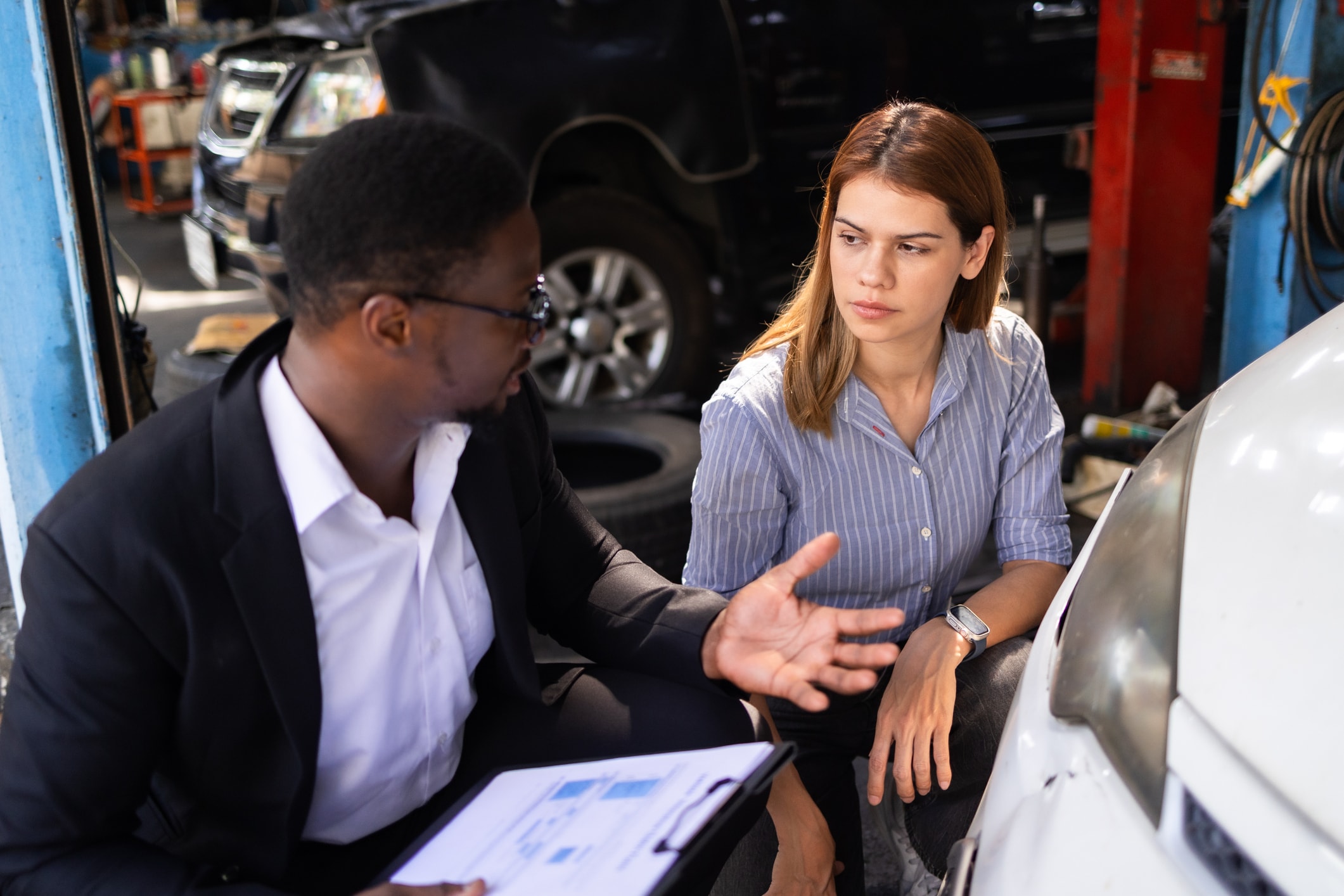
After a collision or breakdown, be cautious if a tow truck arrives before you’ve called for help or if you feel pressured to make a quick decision. Some tow truck drivers may have referral arrangements with body shops or service providers. Watch for these red flags:
- Uninvited help or pressure to act quickly. A tow truck operator may pressure you to use a specific body shop because they profit from doing so. This can lead to higher towing, repairs, and storage costs.
- Requests to sign before you read. Blank or incomplete forms can lead to unexpected towing or storage fees. You may also be agreeing to services, repairs or charges you don’t fully understand.
2. Staged collisions.
Some fraudsters intentionally cause crashes so they can file false injury or damage claims. The Insurance Bureau of Canada explains some common staged collisions, including:
- Swoop and squat: A driver cuts in front of you and brakes suddenly, sometimes with accomplices blocking your ability to change lanes. The fraudster may then try to make it look like you caused the rear-end collision so they can submit a false damage or injury claim.
- Drive down: A driver with the right of way waves you forward, then speeds up to cause a collision. The fraudster may use the confusion to make it seem like you failed to yield, allowing them to file a false claim.
- Bullet left turn: An oncoming driver waves you through a left turn, then drives forward and hits your vehicle on purpose. The fraudster may claim you turned when it wasn’t safe, and they file a false damage or injury claim.
3. Fake insurance pink slip.
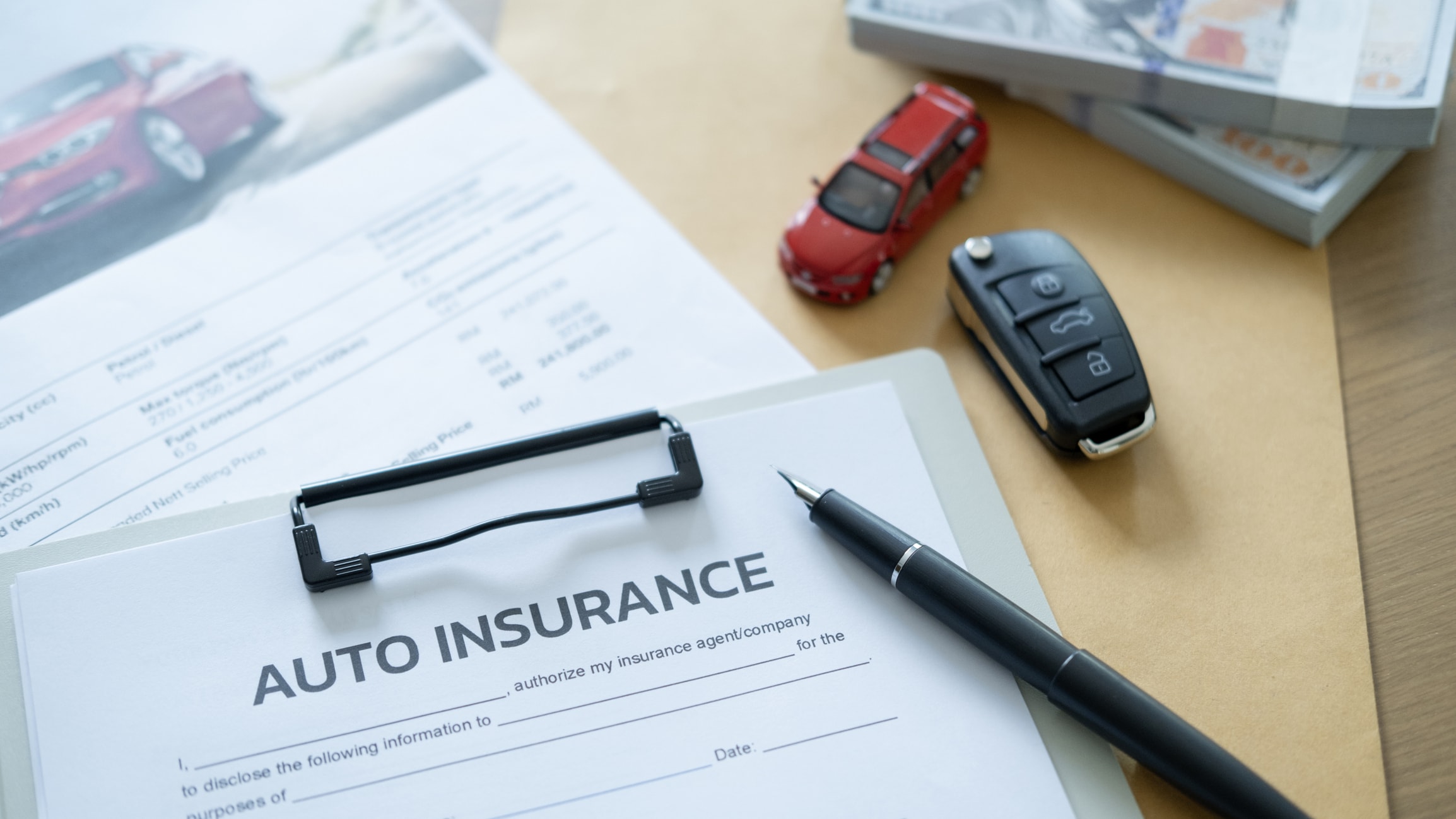
A fake insurance card, or “pink slip,” may look real but include false policy details. According to the Financial Services Regulatory Authority of Ontario (FSRA), fraudsters may pose as licensed agents or brokers and sell counterfeit insurance documents in exchange for payment.
4. Unauthorized insurance sellers.
Some fraudsters pose as brokers or agents, collect payment and leave you without valid coverage.
|
Red flag |
What it may mean |
What to do |
|
Tow truck arrives before you call |
Possible unsolicited towing or referral scheme |
Call your insurer before agreeing to a tow |
|
Pressure to choose a specific body shop |
The tow operator may benefit from the referral |
Ask for options and written costs |
|
Blank or incomplete forms |
You may be agreeing to unknown fees or services |
Do not sign until details are complete |
|
A driver waves you forward then hits you |
Possible staged collision tactic |
Document the scene and report concerns |
|
Fake insurance card or pink slip |
Coverage may be invalid |
Verify the agent, broker, and insurer |
|
Cash or e-transfer only payment request |
Possible unauthorized insurance seller |
Confirm licensing before paying |
What to do after a collision or breakdown to avoid towing and insurance scams
- Call your insurance company. Whether your car has broken down or you’ve been in a collision, your insurer can help guide your next steps and may be able to help arrange a reputable tow truck or repair option. For Allstate customers, the Good Hands® Repair Network offers access to trusted repair facilities and a repair guarantee.
- Review before you approve. Don’t feel pressured to accept help on the spot or authorize repairs or sign forms until you understand the costs, services and next steps. Ask for a detailed invoice, including towing and storage fees. In most provinces, you have the right to choose the repair shop, tow operator or vehicle rental company you prefer.
- Document everything. Take photos of the vehicles involved, licence plates, damage, scene and tow truck. Note the date, time, location, names of those involved. Also note anything that seemed unusual, such as pressure from a tow operator or behaviour that may suggest a staged collision.
- Avoid staged collisions. Keep a safe distance from cars around you. At a red light or stop sign, wait until the way is clear before moving, which can help reduce the risk of a staged collision. And always follow traffic signals and right-of-way rules, turning only when you know it’s safe.
- Report suspected fraud. Contact your insurer as soon as possible and follow their guidance. If something seems suspicious, file a police report and keep copies of invoices, forms, estimates, texts and emails. You can also report suspected fraud through the Insurance Bureau of Canada’s anonymous tip line at 1-877-IBC-TIPS (1-877-422-8477). If you live in Ontario, FSRA shares fraud prevention and reporting tips on its website.
- Buy insurance from a legitimate company or brokerage. When purchasing auto insurance, confirm the agent or broker is licensed and registered with their provincial licensing body. You can also contact the insurance company or brokerage directly. Be cautious if you’re asked to pay by cash or e-transfer. Policy documents should come directly from the insurance company.
If you have questions about your coverage or encounter something that feels like it may be a fraudulent situation, Allstate agents and claims representatives are here to help!
Disclaimer: This information and the websites referenced are provided for your convenience only and should not be construed as providing legal or insurance advice. Allstate does not control or guarantee the accuracy of any content on any third-party site. Allstate is not responsible for the privacy practices of any third-party site.